Harnessing Consumer Feedback to Drive Product Innovation
How Food Manufacturing Will Shape Up in 2026
The UK food and drink manufacturing industry shows no signs of slowing down in 2026. Last year, we saw numerous leadership changes, industry consolidation and some great investments and innovation. And this year, we suspect the pace of change will be accelerating. With rapid advances in technology, evolving consumer expectations, ongoing supply chain pressures and tighter margins, manufacturers are being challenged to do far more than simply stand still. Success now depends on being agile, forward-thinking and ready to adapt quickly.
At True North Talent, we’re in constant conversation with industry leaders, hiring managers and professionals across the sector. That gives us a real, on-the-ground view of how the landscape is shifting - and what businesses need to stay competitive in the years ahead.
Harnessing Consumer Feedback to Drive Product Innovation
In food and drink manufacturing, innovation doesn’t start in the development kitchen - it starts with the consumer. With trends shifting faster than ever, the brands that succeed are the ones that listen closely, respond quickly and turn real feedback into better products.
Consumer feedback is no longer a “nice to have”. It’s a powerful tool for shaping innovation and staying relevant in a crowded market.
Why consumer insight matters more than ever
Today’s consumers are informed, vocal and willing to share their opinions, especially online. Reviews, social media, celebrity influencers, focus groups and retailer feedback provide a constant stream of insight into what people love, what frustrates them and what they want next.
Manufacturers that actively use this information can spot emerging trends early and avoid investing time and money into products that miss the mark.
Turning feedback into action
Collecting feedback is one thing; acting on it is another. The most successful businesses have clear processes for analysing consumer insight and feeding it directly into NPD decisions.
Whether it’s adjusting flavour profiles, improving texture, refining packaging or addressing dietary needs, small changes driven by real feedback can significantly improve a product’s success in market.
Collaboration between NPD, marketing and technical teams
Consumer-driven innovation works best when teams collaborate. Marketing and commercial teams often sit closest to the consumer, while NPD and technical teams turn ideas into viable products.
Bringing these groups together early ensures feedback is interpreted accurately and translated into solutions that are safe, scalable and commercially viable.
Balancing creativity with compliance
Listening to consumers doesn’t mean saying yes to everything. Food safety, allergen management, labelling and cost still matter. Strong NPD teams know how to balance consumer wants with technical feasibility and regulatory requirements. This balance is where experience really counts.
The people behind successful innovation
Driving innovation through consumer insight requires the right talent - people who are curious, commercially aware and confident working across functions. As consumer expectations grow, manufacturers increasingly need NPD leaders and product developers who can connect insight with execution.
How True North Talent supports innovation-led businesses
At True North Talent, we partner with food and drink manufacturers to build NPD and technical teams that can turn consumer feedback into winning products. From permanent hires to interim specialists who can support busy pipelines, we help businesses innovate with confidence.
👉 Because when you truly listen to consumers and have the right people to act on it, innovation becomes a lot more powerful.

Reach out to us.
Get in touch with us.
Use this form to send us a message, and we'll get back to you shortly.

Emma Symonds
Director
Latest Insights
Explore our latest market insights on all things food and drink manufacturing.
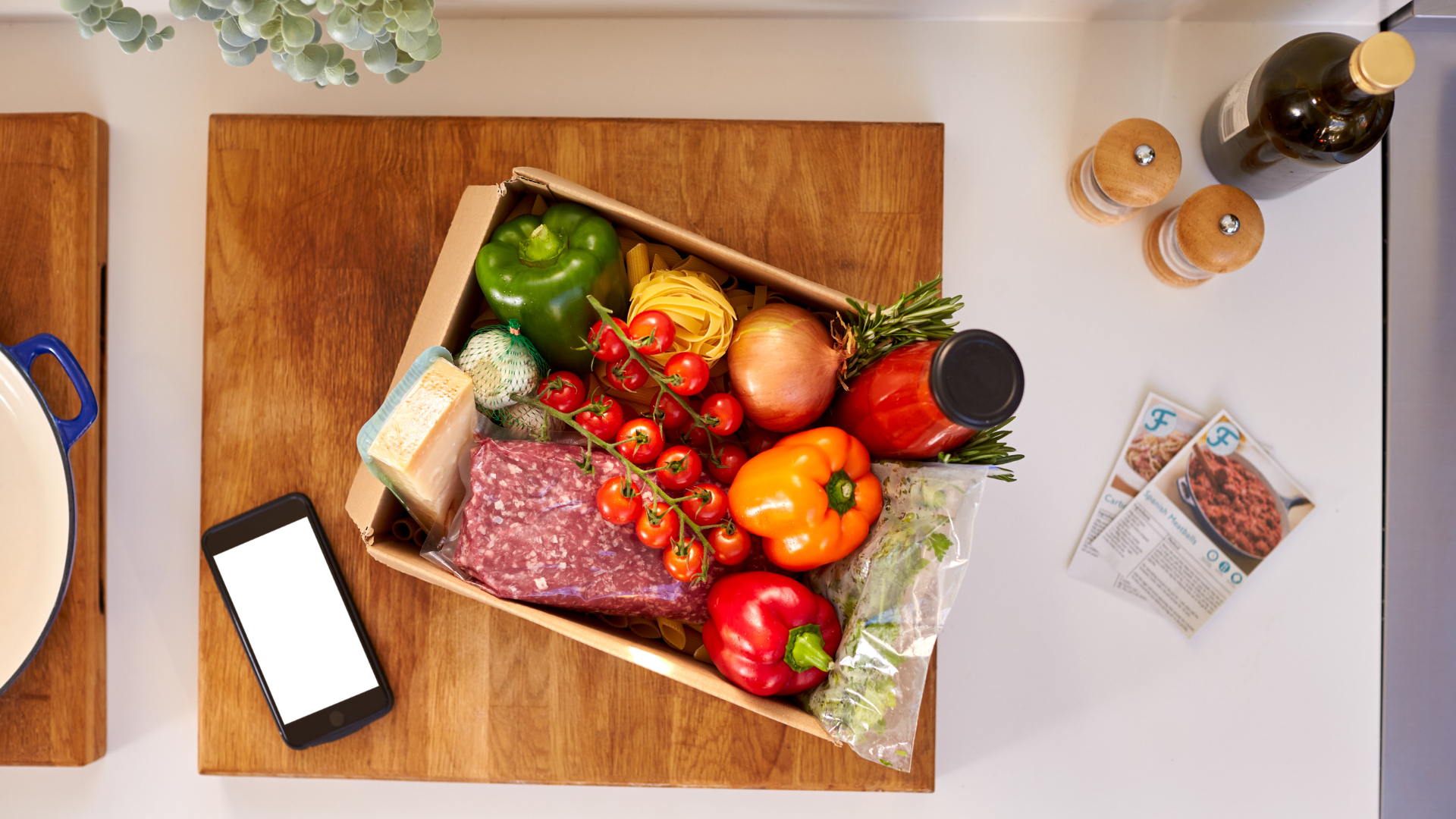
HelloFresh vs Gousto…
I’m a sucker for a good discount code, and I’ve seen numerous influencers posting codes lately about HelloFresh and Gousto so I thought I’d give them a try. Although recipe boxes have been around awhile now, I’m totally new to trying them. There’s a few pros and cons I’ve noticed so far.

Why Talent Shortages are More Damaging Than Supply Chain Issues
In the Food and Drink manufacturing industry, we're no strangers to disruption. From Brexit to Covid, global conflicts to raw material shortages, supply chains have taken a beating over the last few years. And while those headlines have dominated, there's a quieter, more dangerous challenge threatening the industry's long term stability: the talent shortage. Yes, a late shipment can throw off your production line. But a missing team leader, technical manager, or site director? That can derail your entire operation.

A Lens whilst Shopping
There was an article this week in the Food Manufacture by Bethan Grylls, titled "Reading food and drink labels with sight loss" - and how food manufacturing companies can make their packaging more inclusive and accessible for those with visual impairments. It is a really insightful article exploring the world of a VIP (Visually Impaired Person) and certainly made me think of scenarios I hadn't thought of before - how are VIPs expected to navigate their way around a supermarket and read food and drink labels. As a coeliac, I wear my glasses on my head in the supermarket as I am constantly trying to read the ever decreasing font size on food labelling to ensure the product I buy is safe for me! I cannot imagine how challenging it must be for VIPs. It will be interesting to see how the technologies currently available and those yet to be invented, can help VIPs and those of us whose eyesight is likely to deteriorate further.
HelloFresh vs Gousto…
I’m a sucker for a good discount code, and I’ve seen numerous influencers posting codes lately about HelloFresh and Gousto so I thought I’d give them a try. Although recipe boxes have been around awhile now, I’m totally new to trying them. There’s a few pros and cons I’ve noticed so far.
Why Talent Shortages are More Damaging Than Supply Chain Issues
In the Food and Drink manufacturing industry, we're no strangers to disruption. From Brexit to Covid, global conflicts to raw material shortages, supply chains have taken a beating over the last few years. And while those headlines have dominated, there's a quieter, more dangerous challenge threatening the industry's long term stability: the talent shortage. Yes, a late shipment can throw off your production line. But a missing team leader, technical manager, or site director? That can derail your entire operation.
A Lens whilst Shopping
There was an article this week in the Food Manufacture by Bethan Grylls, titled "Reading food and drink labels with sight loss" - and how food manufacturing companies can make their packaging more inclusive and accessible for those with visual impairments. It is a really insightful article exploring the world of a VIP (Visually Impaired Person) and certainly made me think of scenarios I hadn't thought of before - how are VIPs expected to navigate their way around a supermarket and read food and drink labels. As a coeliac, I wear my glasses on my head in the supermarket as I am constantly trying to read the ever decreasing font size on food labelling to ensure the product I buy is safe for me! I cannot imagine how challenging it must be for VIPs. It will be interesting to see how the technologies currently available and those yet to be invented, can help VIPs and those of us whose eyesight is likely to deteriorate further.