Hiring Interim Professionals in the Food Manufacturing Sector
In the fast paced and highly regulated world of food manufacturing, companies often face challenges that require swift intervention. Whether it's navigating a crisis, executing critical projects, or driving operational improvements, an interim professional can be a game changer. Here's why…
Expertise and Experience
Interim professionals bring extensive industry knowledge and experience. They have a proven track record of managing complex operations and leading teams in challenging environments. This expertise is crucial for navigating the peaks and troughs.
Strategic Leadership
Interims help set the direction for the company, define goals, and develop plans to achieve them. Their strategic vision helps align operations with long-term business objectives, ensuring sustainable growth and competitiveness.
Crisis Management and Problem Solving
Interims are often brought in during times of transition or crisis. Their ability to quickly assess situations, identify problems, and implement effective solutions is invaluable. Whether it's streamlining processes, addressing compliance issues, or managing a product recall, their skills in crisis management are essential.
Project Execution
Interim professionals are focused on delivering tangible results within a defined timeframe. Whether it’s launching a new product, expanding a facility, or optimising supply chain operations, their goal-oriented approach ensures that critical projects are completed efficiently and successfully.
Change Management
Interim managers excel at leading change initiatives. They can introduce and manage new processes, technologies, and practices, ensuring smooth transitions with minimal disruption. Their experience with change management helps in gaining buy-in from employees and stakeholders, facilitating a more cohesive and effective implementation.
Fresh Perspectives
As external professionals, interims bring an unbiased perspective to the organisation. They can identify issues and opportunities that may be overlooked by internal staff. Their fresh viewpoints can lead to innovative solutions and improvements that drive the company forward.
Regulatory Compliance and Risk Management
Given the stringent regulations in the food manufacturing industry, interims’ expertise in regulatory compliance and risk management is critical. They ensure that all operations adhere to industry standards and government regulations, mitigating risks and protecting the company’s reputation.
Mentorship and Team Development
Interims play a vital role in mentoring and developing existing teams. By sharing their knowledge and expertise, they help build internal capabilities, ensuring that the organisation can continue to thrive after their departure. Their ability to inspire and motivate teams contributes to a more skilled and engaged workforce.
Tangible Results
While hiring an interim might seem costly, their impact often leads to significant long-term savings. By addressing inefficiencies, improving processes, and avoiding potential pitfalls, interims can deliver substantial financial benefits that outweigh their fees.
Focused and Agile
Interim professionals are typically focused on delivering results within a short period. Their ability to adapt quickly to the company’s culture and operational environment allows them to hit the ground running, providing immediate value and achieving swift results.
We only work with the very best interims
If you’re looking for support during a transition or crisis, or need help with a critical project contact us today to discuss how we can help and assist in hiring the right interim for your needs.
amy@truenorthtalent.co.uk
07564 576300

https://cdn.sourceflow.co.uk/pmcky5wso632uhsimbopyjblv067
Reach out to us.
Get in touch with us.
Use this form to send us a message, and we'll get back to you shortly.

Amy Griffith
Managing Director
Latest Insights
Explore our latest market insights on all things food and drink manufacturing.
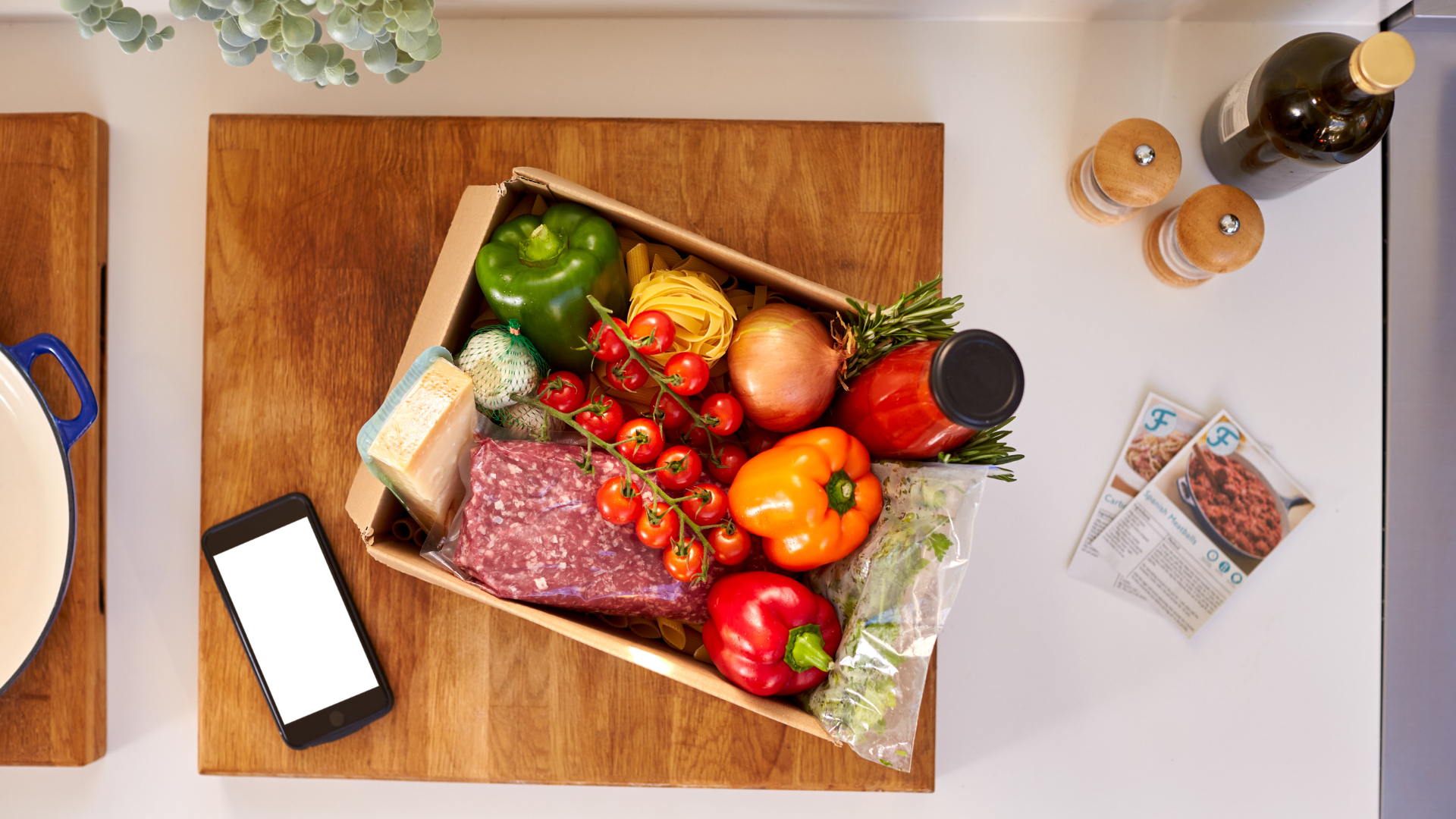
HelloFresh vs Gousto…
I’m a sucker for a good discount code, and I’ve seen numerous influencers posting codes lately about HelloFresh and Gousto so I thought I’d give them a try. Although recipe boxes have been around awhile now, I’m totally new to trying them. There’s a few pros and cons I’ve noticed so far.
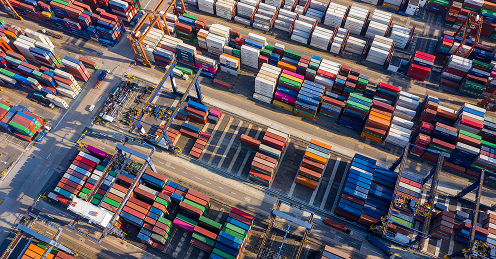
Why Talent Shortages are More Damaging Than Supply Chain Issues
In the Food and Drink manufacturing industry, we're no strangers to disruption. From Brexit to Covid, global conflicts to raw material shortages, supply chains have taken a beating over the last few years. And while those headlines have dominated, there's a quieter, more dangerous challenge threatening the industry's long term stability: the talent shortage. Yes, a late shipment can throw off your production line. But a missing team leader, technical manager, or site director? That can derail your entire operation.

A Lens whilst Shopping
There was an article this week in the Food Manufacture by Bethan Grylls, titled "Reading food and drink labels with sight loss" - and how food manufacturing companies can make their packaging more inclusive and accessible for those with visual impairments. It is a really insightful article exploring the world of a VIP (Visually Impaired Person) and certainly made me think of scenarios I hadn't thought of before - how are VIPs expected to navigate their way around a supermarket and read food and drink labels. As a coeliac, I wear my glasses on my head in the supermarket as I am constantly trying to read the ever decreasing font size on food labelling to ensure the product I buy is safe for me! I cannot imagine how challenging it must be for VIPs. It will be interesting to see how the technologies currently available and those yet to be invented, can help VIPs and those of us whose eyesight is likely to deteriorate further.
HelloFresh vs Gousto…
I’m a sucker for a good discount code, and I’ve seen numerous influencers posting codes lately about HelloFresh and Gousto so I thought I’d give them a try. Although recipe boxes have been around awhile now, I’m totally new to trying them. There’s a few pros and cons I’ve noticed so far.
Why Talent Shortages are More Damaging Than Supply Chain Issues
In the Food and Drink manufacturing industry, we're no strangers to disruption. From Brexit to Covid, global conflicts to raw material shortages, supply chains have taken a beating over the last few years. And while those headlines have dominated, there's a quieter, more dangerous challenge threatening the industry's long term stability: the talent shortage. Yes, a late shipment can throw off your production line. But a missing team leader, technical manager, or site director? That can derail your entire operation.
A Lens whilst Shopping
There was an article this week in the Food Manufacture by Bethan Grylls, titled "Reading food and drink labels with sight loss" - and how food manufacturing companies can make their packaging more inclusive and accessible for those with visual impairments. It is a really insightful article exploring the world of a VIP (Visually Impaired Person) and certainly made me think of scenarios I hadn't thought of before - how are VIPs expected to navigate their way around a supermarket and read food and drink labels. As a coeliac, I wear my glasses on my head in the supermarket as I am constantly trying to read the ever decreasing font size on food labelling to ensure the product I buy is safe for me! I cannot imagine how challenging it must be for VIPs. It will be interesting to see how the technologies currently available and those yet to be invented, can help VIPs and those of us whose eyesight is likely to deteriorate further.