How to Build Resilient Supply Chains in 2025
The Future of Food: Trends, Tech and Changing Tastes in 2025
The UK food and drink manufacturing industry is always moving and in 2025, the pace feels faster than ever. With new technology, shifting consumer demands and constant pressure to stay competitive, manufacturers are being asked to do more than just keep up. They need to be forward-thinking, agile and ready to adapt.
At True North Talent, we spend our time speaking to leaders, candidates and businesses across the industry. That means we’ve got a front-row seat to the changes shaping the sector right now.
In our eighth article, we look at operational excellence and what that includes in food and drink manufacturing.
How to Build Resilient Supply Chains in 2025
If the past few years have taught the UK food and drink manufacturing industry anything, it’s this: supply chains are only as strong as their weakest link. From global disruption and ingredient shortages to rising costs and new regulations, resilience has become the buzzword of 2025 - and for good reason.
Why Supply Chain Resilience Matters
In food and drink manufacturing, delays or shortages don’t just impact the bottom line; they can also hit brand reputation and customer trust. Resilient supply chains help businesses weather uncertainty, keep shelves stocked and adapt faster to shifting demand. In today’s market, that adaptability is what separates the leaders from the rest.
What Resilience Looks Like in Practice
The most successful manufacturers in 2025 are focusing on three big areas:
- Diversification of suppliers: relying on one source is risky. More companies are building multi-supplier networks to reduce vulnerability.
- Digital visibility: smart data tools, AI and real-time tracking are giving businesses a clearer picture of what’s happening at every stage of the chain.
- Sustainability and local sourcing: building resilience isn’t just about cost. Consumers want traceability and eco-friendly sourcing, which often goes hand-in-hand with reliability.
The People Factor
Technology and strategy matter, but people make the difference. Supply chain resilience requires skilled planners, procurement specialists and leaders who can think strategically under pressure. The ability to build relationships, negotiate effectively and stay calm in a storm is just as valuable as the latest piece of software.
How True North Talent Can Help
At True North Talent, we know resilient supply chains don’t build themselves; they’re powered by the right talent. Whether you need interim leaders to manage immediate challenges or permanent specialists to future-proof your supply chain, we connect you with professionals who understand both the risks and the opportunities in food and drink manufacturing.
👉 Resilience isn’t just about surviving disruption. It’s about building supply chains that thrive in it.

Reach out to us.
Get in touch with us.
Use this form to send us a message, and we'll get back to you shortly.

Amy Griffith
Managing Director
Latest Insights
Explore our latest market insights on all things food and drink manufacturing.
HelloFresh vs Gousto…
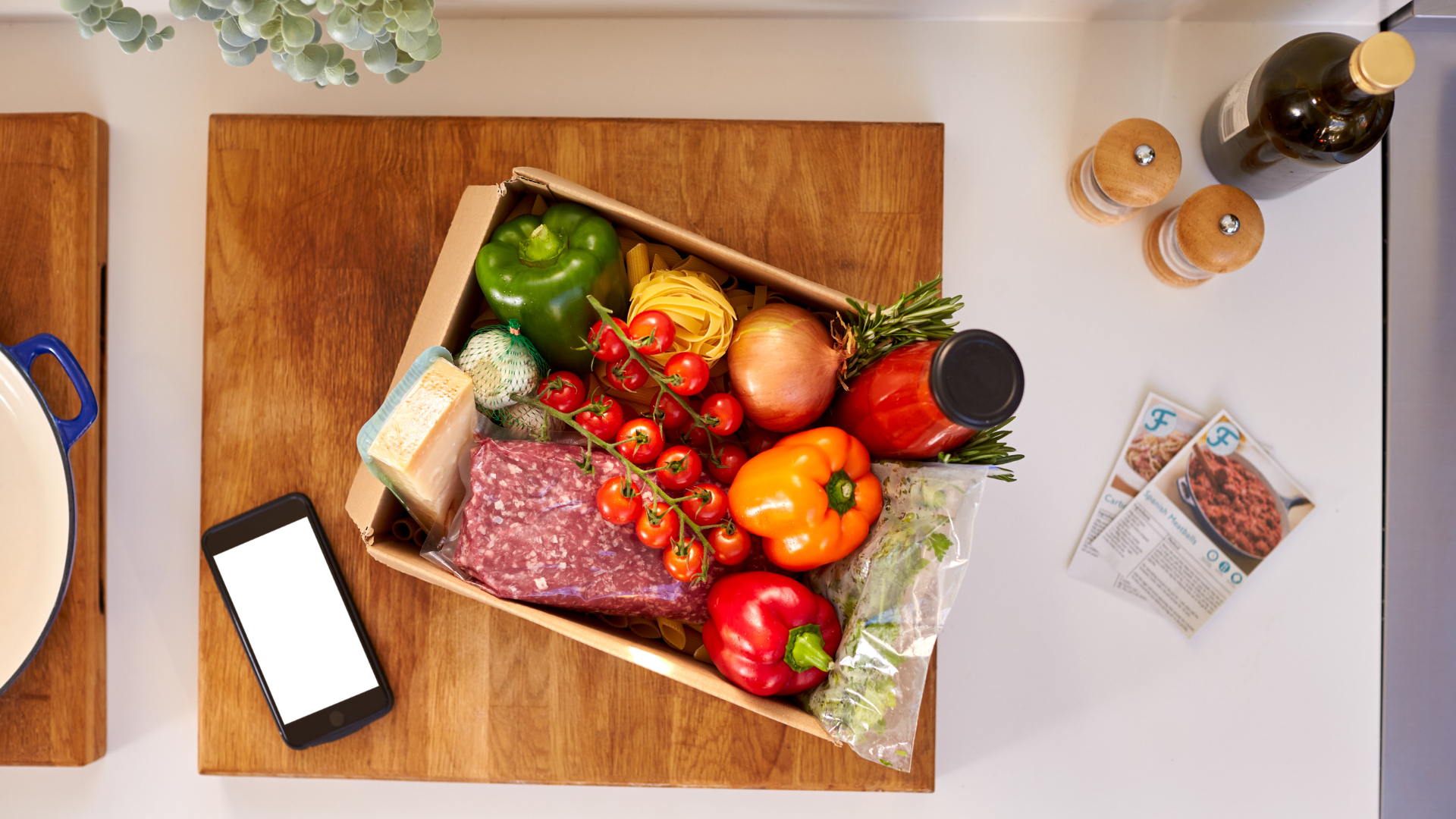
I’m a sucker for a good discount code, and I’ve seen numerous influencers posting codes lately about HelloFresh and Gousto so I thought I’d give them a try. Although recipe boxes have been around awhile now, I’m totally new to trying them. There’s a few pros and cons I’ve noticed so far.
Why Talent Shortages are More Damaging Than Supply Chain Issues
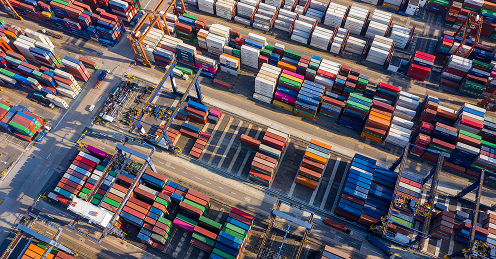
In the Food and Drink manufacturing industry, we're no strangers to disruption. From Brexit to Covid, global conflicts to raw material shortages, supply chains have taken a beating over the last few years. And while those headlines have dominated, there's a quieter, more dangerous challenge threatening the industry's long term stability: the talent shortage. Yes, a late shipment can throw off your production line. But a missing team leader, technical manager, or site director? That can derail your entire operation.

A Lens whilst Shopping
There was an article this week in the Food Manufacture by Bethan Grylls, titled "Reading food and drink labels with sight loss" - and how food manufacturing companies can make their packaging more inclusive and accessible for those with visual impairments. It is a really insightful article exploring the world of a VIP (Visually Impaired Person) and certainly made me think of scenarios I hadn't thought of before - how are VIPs expected to navigate their way around a supermarket and read food and drink labels. As a coeliac, I wear my glasses on my head in the supermarket as I am constantly trying to read the ever decreasing font size on food labelling to ensure the product I buy is safe for me! I cannot imagine how challenging it must be for VIPs. It will be interesting to see how the technologies currently available and those yet to be invented, can help VIPs and those of us whose eyesight is likely to deteriorate further.
HelloFresh vs Gousto…
I’m a sucker for a good discount code, and I’ve seen numerous influencers posting codes lately about HelloFresh and Gousto so I thought I’d give them a try. Although recipe boxes have been around awhile now, I’m totally new to trying them. There’s a few pros and cons I’ve noticed so far.
Why Talent Shortages are More Damaging Than Supply Chain Issues
In the Food and Drink manufacturing industry, we're no strangers to disruption. From Brexit to Covid, global conflicts to raw material shortages, supply chains have taken a beating over the last few years. And while those headlines have dominated, there's a quieter, more dangerous challenge threatening the industry's long term stability: the talent shortage. Yes, a late shipment can throw off your production line. But a missing team leader, technical manager, or site director? That can derail your entire operation.
A Lens whilst Shopping
There was an article this week in the Food Manufacture by Bethan Grylls, titled "Reading food and drink labels with sight loss" - and how food manufacturing companies can make their packaging more inclusive and accessible for those with visual impairments. It is a really insightful article exploring the world of a VIP (Visually Impaired Person) and certainly made me think of scenarios I hadn't thought of before - how are VIPs expected to navigate their way around a supermarket and read food and drink labels. As a coeliac, I wear my glasses on my head in the supermarket as I am constantly trying to read the ever decreasing font size on food labelling to ensure the product I buy is safe for me! I cannot imagine how challenging it must be for VIPs. It will be interesting to see how the technologies currently available and those yet to be invented, can help VIPs and those of us whose eyesight is likely to deteriorate further.