How to Engage and Retain Your Best Manufacturing Talent
How Food Manufacturing Will Shape Up in 2026
The UK food and drink manufacturing industry shows no signs of slowing down in 2026. Last year, we saw numerous leadership changes, industry consolidation and some great investments and innovation. And this year, we suspect the pace of change will be accelerating. With rapid advances in technology, evolving consumer expectations, ongoing supply chain pressures and tighter margins, manufacturers are being challenged to do far more than simply stand still. Success now depends on being agile, forward-thinking and ready to adapt quickly.
At True North Talent, we’re in constant conversation with industry leaders, hiring managers and professionals across the sector. That gives us a real, on-the-ground view of how the landscape is shifting - and what businesses need to stay competitive in the years ahead.
How to Engage and Retain Your Best Manufacturing Talent
Finding good people in food and drink manufacturing is tough. Keeping them? That’s often the real challenge.
With niche skills shortages, increased competition for talent and rising expectations from employees, retention has become just as important as recruitment. The businesses that get this right are the ones that invest in their people and create a culture where employees want to stay.
So what makes the difference?
Leadership matters more than ever
People don’t leave companies, they inevitably leave managers. In manufacturing environments, strong leadership is critical. Employees want clear direction, consistency and leaders who are visible on the factory floor, not hidden behind office doors.
Good leaders listen, communicate clearly and involve teams in decisions that affect their day-to-day work. That sense of being heard goes a long way when it comes to engagement and loyalty.
Clear progression and development
One of the biggest reasons we see people move on is a lack of career progression. In food manufacturing, there’s huge opportunity to develop talent internally, but it needs to be visible.
Clear pathways, ongoing training and support to develop new skills all help employees see a future with the business. When people feel they’re learning and progressing, they’re far more likely to stay put.
Creating the right culture on site
Culture isn’t about posters on the wall or buzzwords in presentations, it’s about how people feel when they turn up to work. A positive, inclusive culture where safety, respect and teamwork are genuinely valued makes a real difference.
Recognising good performance, encouraging collaboration between departments and maintaining high standards without blame, all help create an environment people want to be part of.
Flexibility and wellbeing
Manufacturing has traditionally been rigid, but expectations are changing. Where possible, flexibility around shifts, better rota planning and genuine support for wellbeing can significantly improve retention.
Even small changes, like fair scheduling, open conversations about workload, or better support during busy periods can have a big impact on morale.
Paying attention to the basics
Competitive pay matters, but it’s not everything and is not the key factor when people are seeking a new job. Employees also care about consistency, fairness and feeling valued. Clear communication around expectations, regular feedback and doing what you say you’ll do as an employer builds trust and trust underpins retention.
How True North Talent can help
At True North Talent, we work closely with food and drink manufacturers to help them attract and retain the right people. From sourcing leaders who can build strong site cultures, to supporting businesses with interim and permanent hiring during periods of change, we understand what it takes to keep great talent engaged.
👉 Because retaining your best people isn’t about one initiative - it’s about creating the right environment for them to thrive, now and in the long term.

Reach out to us.
Get in touch with us.
Use this form to send us a message, and we'll get back to you shortly.

Amy Griffith
Managing Director
Latest Insights
Explore our latest market insights on all things food and drink manufacturing.
HelloFresh vs Gousto…
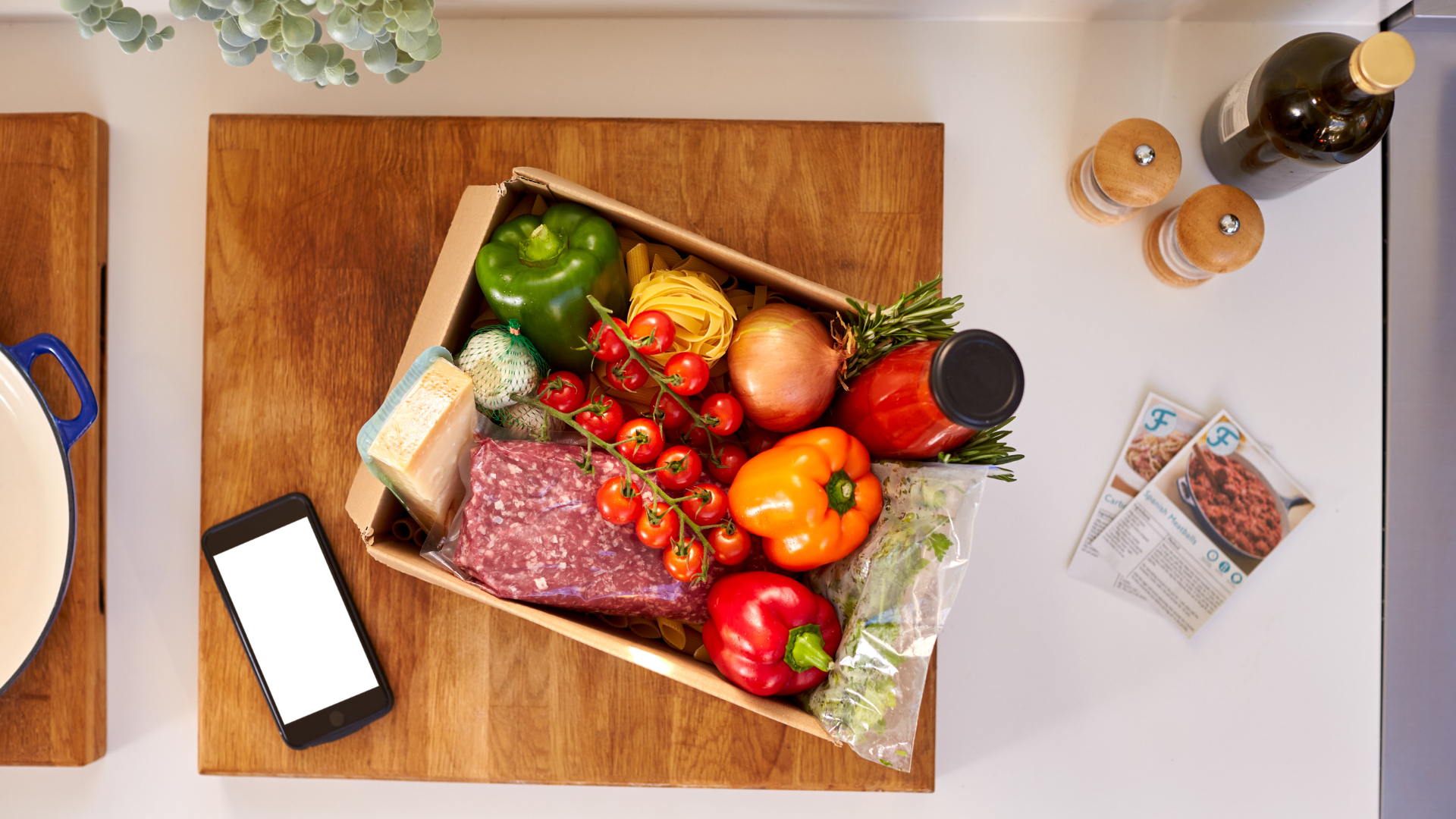
I’m a sucker for a good discount code, and I’ve seen numerous influencers posting codes lately about HelloFresh and Gousto so I thought I’d give them a try. Although recipe boxes have been around awhile now, I’m totally new to trying them. There’s a few pros and cons I’ve noticed so far.
Why Talent Shortages are More Damaging Than Supply Chain Issues
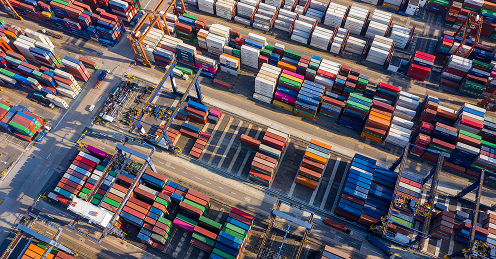
In the Food and Drink manufacturing industry, we're no strangers to disruption. From Brexit to Covid, global conflicts to raw material shortages, supply chains have taken a beating over the last few years. And while those headlines have dominated, there's a quieter, more dangerous challenge threatening the industry's long term stability: the talent shortage. Yes, a late shipment can throw off your production line. But a missing team leader, technical manager, or site director? That can derail your entire operation.

A Lens whilst Shopping
There was an article this week in the Food Manufacture by Bethan Grylls, titled "Reading food and drink labels with sight loss" - and how food manufacturing companies can make their packaging more inclusive and accessible for those with visual impairments. It is a really insightful article exploring the world of a VIP (Visually Impaired Person) and certainly made me think of scenarios I hadn't thought of before - how are VIPs expected to navigate their way around a supermarket and read food and drink labels. As a coeliac, I wear my glasses on my head in the supermarket as I am constantly trying to read the ever decreasing font size on food labelling to ensure the product I buy is safe for me! I cannot imagine how challenging it must be for VIPs. It will be interesting to see how the technologies currently available and those yet to be invented, can help VIPs and those of us whose eyesight is likely to deteriorate further.
HelloFresh vs Gousto…
I’m a sucker for a good discount code, and I’ve seen numerous influencers posting codes lately about HelloFresh and Gousto so I thought I’d give them a try. Although recipe boxes have been around awhile now, I’m totally new to trying them. There’s a few pros and cons I’ve noticed so far.
Why Talent Shortages are More Damaging Than Supply Chain Issues
In the Food and Drink manufacturing industry, we're no strangers to disruption. From Brexit to Covid, global conflicts to raw material shortages, supply chains have taken a beating over the last few years. And while those headlines have dominated, there's a quieter, more dangerous challenge threatening the industry's long term stability: the talent shortage. Yes, a late shipment can throw off your production line. But a missing team leader, technical manager, or site director? That can derail your entire operation.
A Lens whilst Shopping
There was an article this week in the Food Manufacture by Bethan Grylls, titled "Reading food and drink labels with sight loss" - and how food manufacturing companies can make their packaging more inclusive and accessible for those with visual impairments. It is a really insightful article exploring the world of a VIP (Visually Impaired Person) and certainly made me think of scenarios I hadn't thought of before - how are VIPs expected to navigate their way around a supermarket and read food and drink labels. As a coeliac, I wear my glasses on my head in the supermarket as I am constantly trying to read the ever decreasing font size on food labelling to ensure the product I buy is safe for me! I cannot imagine how challenging it must be for VIPs. It will be interesting to see how the technologies currently available and those yet to be invented, can help VIPs and those of us whose eyesight is likely to deteriorate further.