Speed to Shelf: Streamlining Your NPD Process
How Food Manufacturing Will Shape Up in 2026
The UK food and drink manufacturing industry shows no signs of slowing down in 2026. Last year, we saw numerous leadership changes, industry consolidation and some great investments and innovation. And this year, we suspect the pace of change will be accelerating. With rapid advances in technology, evolving consumer expectations, ongoing supply chain pressures and tighter margins, manufacturers are being challenged to do far more than simply stand still. Success now depends on being agile, forward-thinking and ready to adapt quickly.
At True North Talent, we’re in constant conversation with industry leaders, hiring managers and professionals across the sector. That gives us a real, on-the-ground view of how the landscape is shifting - and what businesses need to stay competitive in the years ahead.
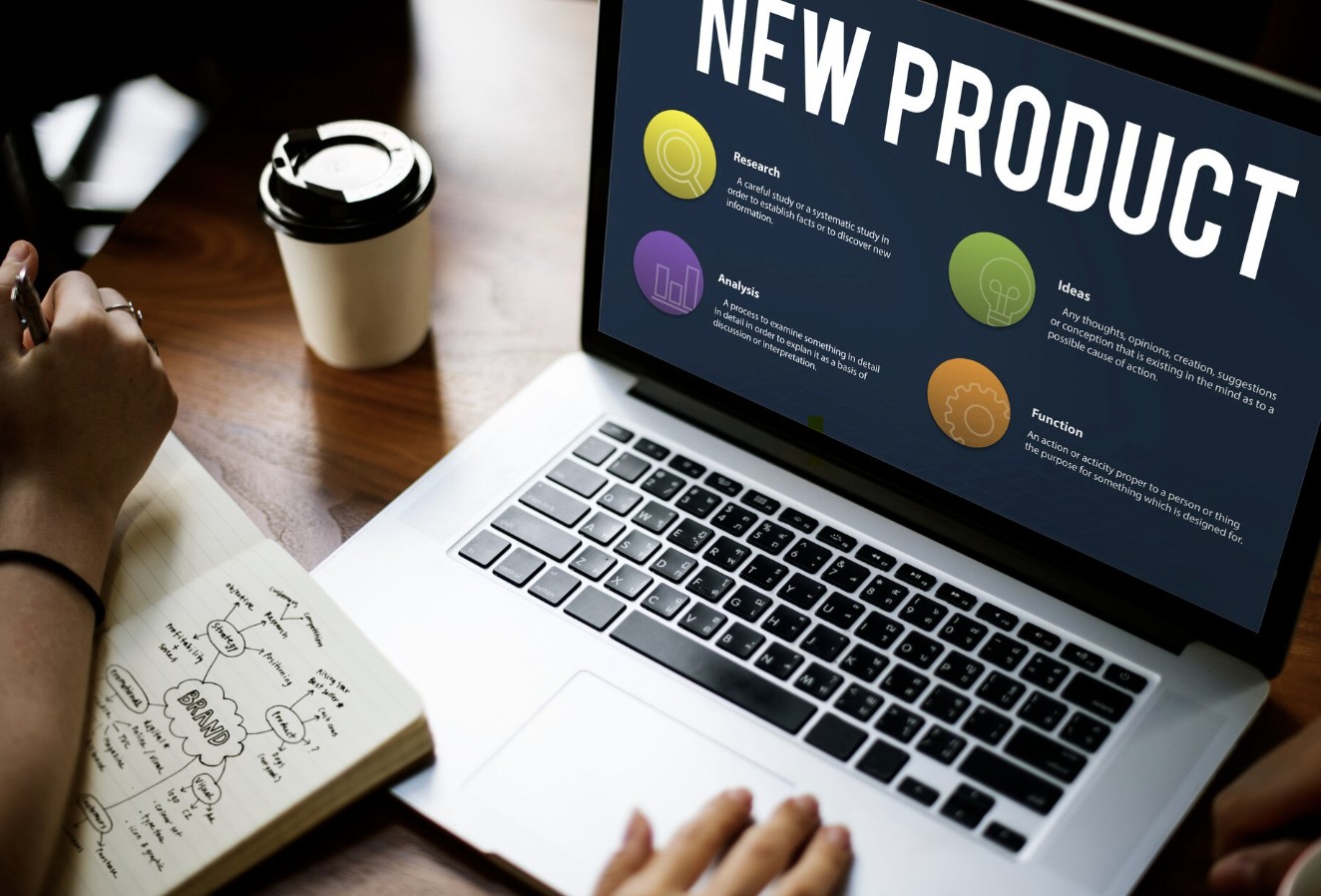
Speed to Shelf: Streamlining Your NPD Process
In today’s food and drink manufacturing market, speed matters. Consumer trends move fast, retailers want innovation yesterday and the brands that win are often the ones that can get great products to market quickly, without compromising on quality or safety.
But speeding up your NPD process doesn’t mean cutting corners. It’s about working smarter, not rushing.
Why speed to shelf is under pressure
Trends like plant-based, high-protein, reduced sugar and functional foods are evolving at pace. Add in retailer pressure, shorter product lifecycles and increasing competition and NPD teams are expected to deliver more innovation in less time.
For many manufacturers, traditional development processes just aren’t built for that level of agility.
Breaking down silos between teams
One of the biggest barriers to speed is poor communication between departments. When NPD, technical, operations, procurement and marketing work in isolation, delays are inevitable.
The most effective businesses bring these teams together early in the process. Cross-functional collaboration helps identify potential challenges sooner (whether it’s ingredient availability, line capability or compliance), reducing last-minute changes that slow everything down.
Using data and insight to make faster decisions
Data plays a huge role in streamlining NPD. Clear consumer insight, accurate cost modelling and robust trial data allow teams to make confident decisions quickly.
Having access to the right information at the right time reduces indecision and keeps projects moving forward without unnecessary back-and-forth.
Designing for manufacturability
A great product idea isn’t enough if it can’t be produced efficiently at scale. Building manufacturability into the NPD process from day one helps avoid costly rework and launch delays.
This means close collaboration between development chefs, process technologists and engineering teams, ensuring products are designed with real production constraints in mind.
The people factor in fast NPD
Ultimately, speed to shelf comes down to people. Agile NPD requires experienced professionals who can balance creativity with commercial reality, understand risk and keep projects moving under pressure.
As product pipelines grow, many manufacturers turn to interim NPD, technical or project specialists to add capacity and expertise without slowing momentum.
How True North Talent supports faster NPD
At True North Talent, we work with food and drink manufacturers to support innovation at pace. Whether you need permanent NPD leaders or interim specialists to accelerate development during peak periods, we help you build teams that can deliver speed to shelf without compromising standards.
👉 Because in today’s market, the faster you can innovate, the better placed you are to win.
Reach out to us.
Get in touch with us.
Use this form to send us a message, and we'll get back to you shortly.

Amy Griffith
Managing Director
Latest Insights
Explore our latest market insights on all things food and drink manufacturing.
HelloFresh vs Gousto…
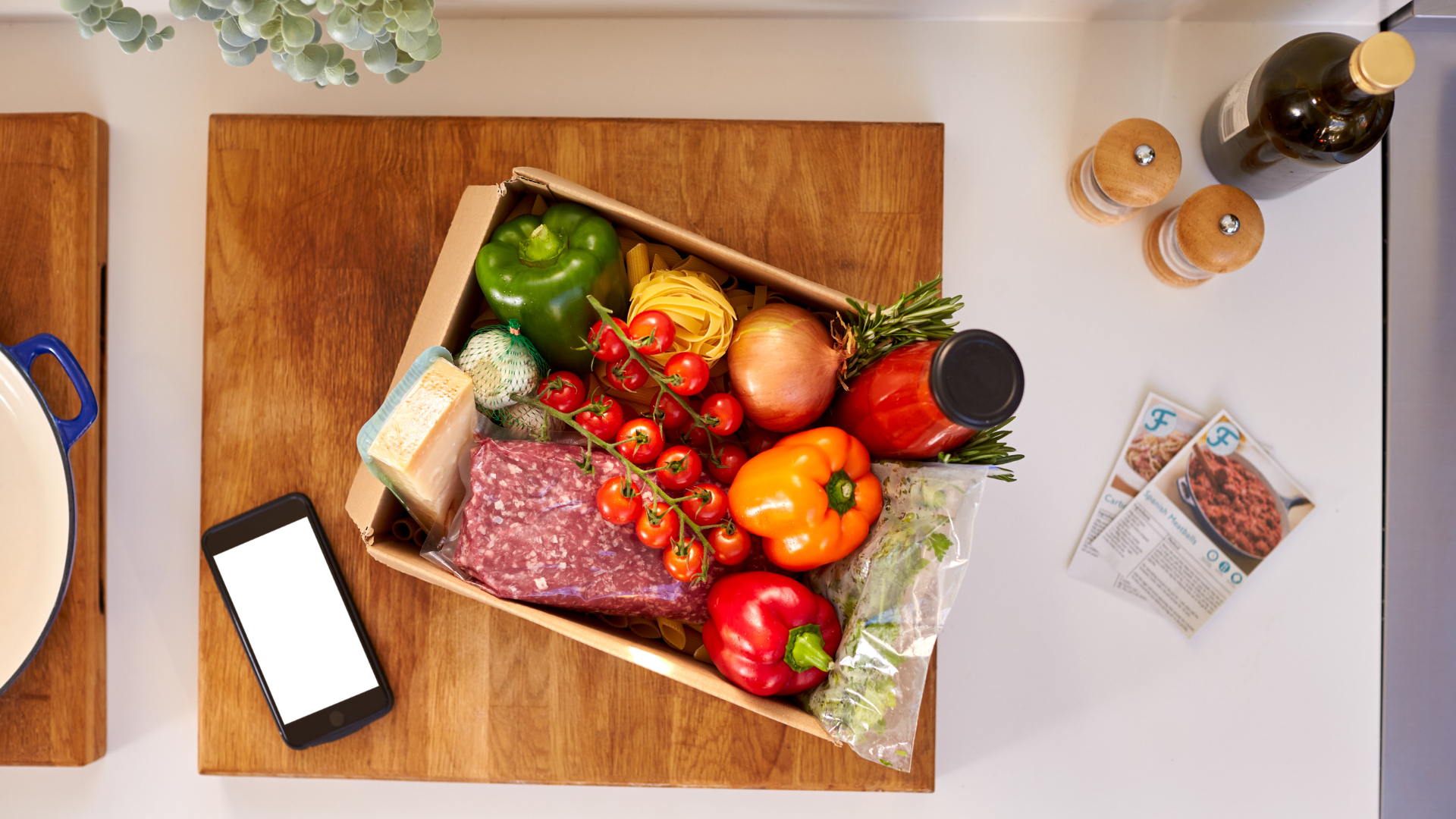
I’m a sucker for a good discount code, and I’ve seen numerous influencers posting codes lately about HelloFresh and Gousto so I thought I’d give them a try. Although recipe boxes have been around awhile now, I’m totally new to trying them. There’s a few pros and cons I’ve noticed so far.
Why Talent Shortages are More Damaging Than Supply Chain Issues
In the Food and Drink manufacturing industry, we're no strangers to disruption. From Brexit to Covid, global conflicts to raw material shortages, supply chains have taken a beating over the last few years. And while those headlines have dominated, there's a quieter, more dangerous challenge threatening the industry's long term stability: the talent shortage. Yes, a late shipment can throw off your production line. But a missing team leader, technical manager, or site director? That can derail your entire operation.

A Lens whilst Shopping
There was an article this week in the Food Manufacture by Bethan Grylls, titled "Reading food and drink labels with sight loss" - and how food manufacturing companies can make their packaging more inclusive and accessible for those with visual impairments. It is a really insightful article exploring the world of a VIP (Visually Impaired Person) and certainly made me think of scenarios I hadn't thought of before - how are VIPs expected to navigate their way around a supermarket and read food and drink labels. As a coeliac, I wear my glasses on my head in the supermarket as I am constantly trying to read the ever decreasing font size on food labelling to ensure the product I buy is safe for me! I cannot imagine how challenging it must be for VIPs. It will be interesting to see how the technologies currently available and those yet to be invented, can help VIPs and those of us whose eyesight is likely to deteriorate further.
HelloFresh vs Gousto…
I’m a sucker for a good discount code, and I’ve seen numerous influencers posting codes lately about HelloFresh and Gousto so I thought I’d give them a try. Although recipe boxes have been around awhile now, I’m totally new to trying them. There’s a few pros and cons I’ve noticed so far.
Why Talent Shortages are More Damaging Than Supply Chain Issues
In the Food and Drink manufacturing industry, we're no strangers to disruption. From Brexit to Covid, global conflicts to raw material shortages, supply chains have taken a beating over the last few years. And while those headlines have dominated, there's a quieter, more dangerous challenge threatening the industry's long term stability: the talent shortage. Yes, a late shipment can throw off your production line. But a missing team leader, technical manager, or site director? That can derail your entire operation.
A Lens whilst Shopping
There was an article this week in the Food Manufacture by Bethan Grylls, titled "Reading food and drink labels with sight loss" - and how food manufacturing companies can make their packaging more inclusive and accessible for those with visual impairments. It is a really insightful article exploring the world of a VIP (Visually Impaired Person) and certainly made me think of scenarios I hadn't thought of before - how are VIPs expected to navigate their way around a supermarket and read food and drink labels. As a coeliac, I wear my glasses on my head in the supermarket as I am constantly trying to read the ever decreasing font size on food labelling to ensure the product I buy is safe for me! I cannot imagine how challenging it must be for VIPs. It will be interesting to see how the technologies currently available and those yet to be invented, can help VIPs and those of us whose eyesight is likely to deteriorate further.