Why Talent Shortages are More Damaging Than Supply Chain Issues
In the Food and Drink manufacturing industry, we're no strangers to disruption.
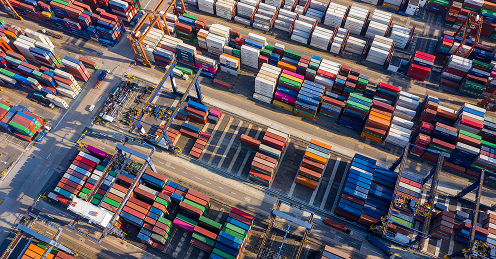
From Brexit to Covid, global conflicts to raw material shortages, supply chains have taken a beating over the last few years. And while those headlines have dominated, there's a quieter, more dangerous challenge threatening the industry's long term stability: the talent shortage.
Yes, a late shipment can throw off your production line. But a missing team leader, technical manager, or site director? That can derail your entire operation.
Why Talent Shortages are More Damaging Than Supply Chain IssuesWhy Talent Shortages are More Damaging Than Supply Chain IssuesWhy Talent Shortages are More Damaging Than Supply Chain IssuesWhy Talent Shortages are More Damaging Than Supply Chain Issues
Supply chain issues are temporary (usually!).
You can find a new supplier. You can build buffer stock. But what happens when the person who holds all the knowledge walks out the door?
The industry is losing experienced candidates faster than it can replace them. Retirements are increasing, and attracting new blood into the sector is harder than ever. This isn’t a short term disruption though. It’s a long term risk to capability, quality and growth.
Great people solve supply chain problems.
Resilience doesn’t happen by chance. It happens because someone brilliant planned contingencies, built strong supplier relationships, and managed the crisis calmly when it hit.
People are the problem solvers. The innovators. The ones who keep the wheels turning when chaos hits. If you don’t have the right experience in the business, even the best recovery plans fall flat.
Your people are your competitive edge.
Two factories can have the same equipment, same suppliers, same processes. But only one will consistently deliver exceptional results. Why? Because of the people running it all.
Your team is your edge. They drive efficiency, innovation, quality, and culture. Lose key players, and you lose momentum. And in an industry as fast paced and margin sensitive as Food and Drink manufacturing, you can’t afford to slow down.
You can’t stockpile talent.
When a key hire leaves, or you’re short on leadership, you feel it immediately. Delays, quality slips, missed retailer deadlines… it snowballs fast. Unlike raw materials, you can’t stockpile great people for a rainy day. Finding the right fit under pressure is even tougher in a fast moving, chilled environment.
That’s why having the right recruitment partner isn’t a ‘nice to have’. It’s essential.
What’s the Solution?
Businesses that treat hiring as a strategic priority, not a last minute panic, are the ones that come out on top.
Build robust succession plans.
Invest in leadership development.
Engage with recruiters who understand your niche.
Create environments people want to stay in.
Act fast when the right people come onto the market.
At True North Talent, we speak with candidates every day who make a difference. People who can lead change, fix problems, and help you sleep better at night.
Supply chains are unpredictable, your people are your safest investment. We can help ensure you stay on track.
Health, Safety & Environmental Advisor
Reach out to us.
Get in touch with us.
Use this form to send us a message, and we'll get back to you shortly.

Amy Griffith
Managing Director
Latest Insights
Explore our latest market insights on all things food and drink manufacturing.
HelloFresh vs Gousto…
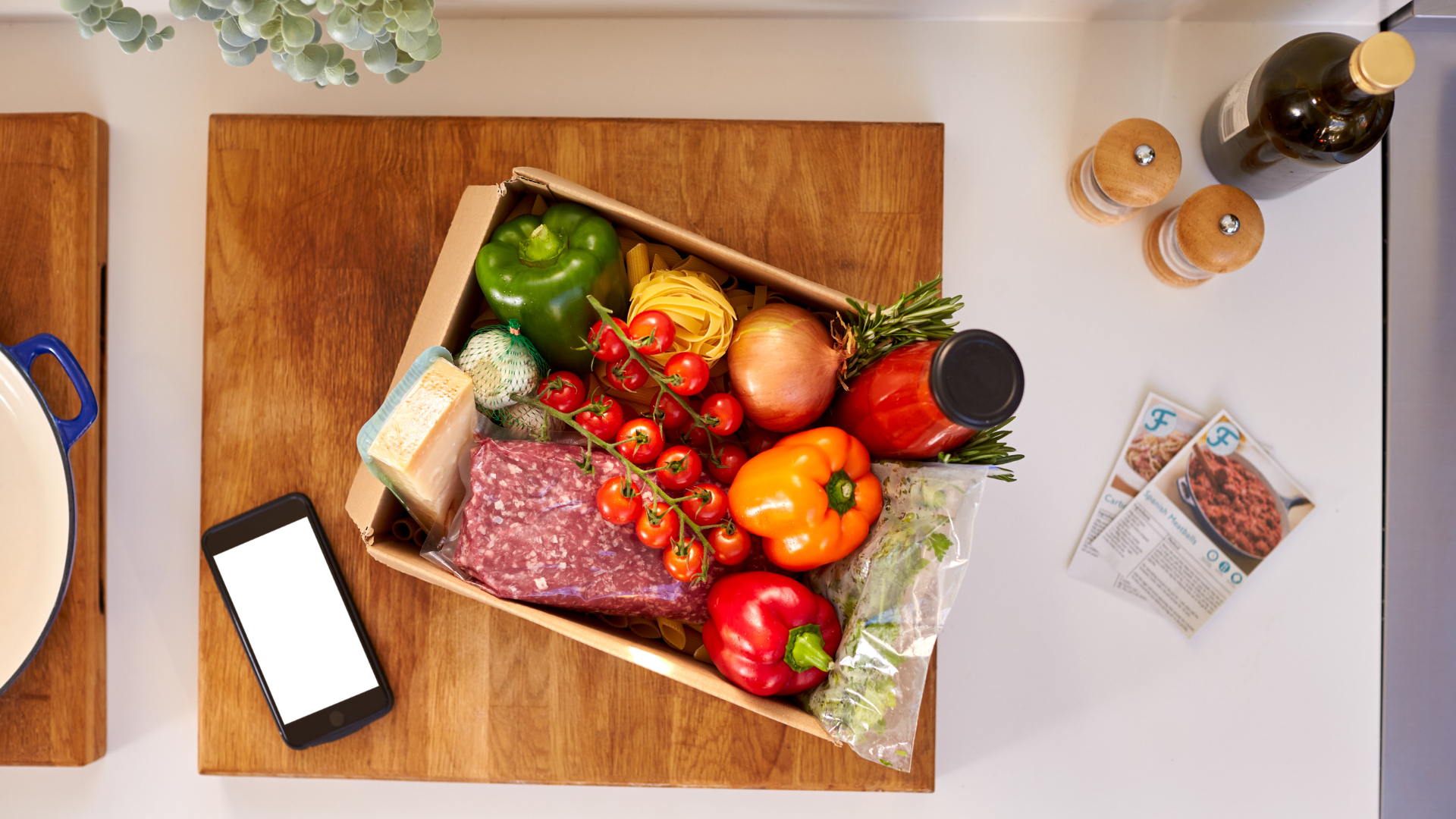
I’m a sucker for a good discount code, and I’ve seen numerous influencers posting codes lately about HelloFresh and Gousto so I thought I’d give them a try. Although recipe boxes have been around awhile now, I’m totally new to trying them. There’s a few pros and cons I’ve noticed so far.
Why Talent Shortages are More Damaging Than Supply Chain Issues
In the Food and Drink manufacturing industry, we're no strangers to disruption. From Brexit to Covid, global conflicts to raw material shortages, supply chains have taken a beating over the last few years. And while those headlines have dominated, there's a quieter, more dangerous challenge threatening the industry's long term stability: the talent shortage. Yes, a late shipment can throw off your production line. But a missing team leader, technical manager, or site director? That can derail your entire operation.

A Lens whilst Shopping
There was an article this week in the Food Manufacture by Bethan Grylls, titled "Reading food and drink labels with sight loss" - and how food manufacturing companies can make their packaging more inclusive and accessible for those with visual impairments. It is a really insightful article exploring the world of a VIP (Visually Impaired Person) and certainly made me think of scenarios I hadn't thought of before - how are VIPs expected to navigate their way around a supermarket and read food and drink labels. As a coeliac, I wear my glasses on my head in the supermarket as I am constantly trying to read the ever decreasing font size on food labelling to ensure the product I buy is safe for me! I cannot imagine how challenging it must be for VIPs. It will be interesting to see how the technologies currently available and those yet to be invented, can help VIPs and those of us whose eyesight is likely to deteriorate further.
HelloFresh vs Gousto…
I’m a sucker for a good discount code, and I’ve seen numerous influencers posting codes lately about HelloFresh and Gousto so I thought I’d give them a try. Although recipe boxes have been around awhile now, I’m totally new to trying them. There’s a few pros and cons I’ve noticed so far.
Why Talent Shortages are More Damaging Than Supply Chain Issues
In the Food and Drink manufacturing industry, we're no strangers to disruption. From Brexit to Covid, global conflicts to raw material shortages, supply chains have taken a beating over the last few years. And while those headlines have dominated, there's a quieter, more dangerous challenge threatening the industry's long term stability: the talent shortage. Yes, a late shipment can throw off your production line. But a missing team leader, technical manager, or site director? That can derail your entire operation.
A Lens whilst Shopping
There was an article this week in the Food Manufacture by Bethan Grylls, titled "Reading food and drink labels with sight loss" - and how food manufacturing companies can make their packaging more inclusive and accessible for those with visual impairments. It is a really insightful article exploring the world of a VIP (Visually Impaired Person) and certainly made me think of scenarios I hadn't thought of before - how are VIPs expected to navigate their way around a supermarket and read food and drink labels. As a coeliac, I wear my glasses on my head in the supermarket as I am constantly trying to read the ever decreasing font size on food labelling to ensure the product I buy is safe for me! I cannot imagine how challenging it must be for VIPs. It will be interesting to see how the technologies currently available and those yet to be invented, can help VIPs and those of us whose eyesight is likely to deteriorate further.